

You Worked Hard for Your Home. Have You Made a Plan to Protect It?


You Worked Hard for Your Home. Have You Made a Plan to Protect It?
Estate Planning Is More Than Preparing for the Future—It's Protecting What You've Built Today.
Buying a home is one of the biggest financial decisions you'll ever make. You save, budget, build your credit, and work hard to create a place your family can call home.
But here's a question many homeowners overlook:
What happens to your home and everything you've worked for if something unexpected happens to you?
It's not always an easy conversation, but it's an important one. Your home is more than four walls and a roof. It represents security, memories, financial stability, and, for many families, the opportunity to build generational wealth.
That's where estate planning comes in.
Estate Planning Isn't Just for the Wealthy
One of the biggest misconceptions about estate planning is that it's only necessary if you have significant wealth or numerous assets.
The truth? If you own a home, have children, maintain financial accounts, or simply want a say in how your affairs are handled, estate planning deserves your attention.
An estate plan can help you:
-
Identify who should inherit your home and other assets.
-
Choose trusted individuals to handle financial and medical decisions if you become unable to do so.
-
Provide for your children or other dependents.
-
Reduce confusion and potential disagreements among family members.
-
Create a clearer path for transferring assets to the next generation.
Estate planning isn't about how much you have. It's about protecting what matters to you.
Your Home May Be Your Greatest Asset. What Happens to It?
For many families, their home is their largest financial asset.
Over time, mortgage payments and property appreciation may help build equity. That equity can become an important part of your family's long-term financial security.
But owning a home doesn't automatically mean it will transfer to the person you intend.
How your property is titled, whether you have a will or trust, and applicable state laws can all affect what happens to your home after your death.
Without a clear plan, your loved ones may face unexpected legal procedures, expenses, delays, or disagreements while managing your estate.
And remember, having a will doesn't necessarily mean your home will avoid probate.
That's why it's important to speak with a qualified estate planning attorney about how your property is owned and which planning tools make sense for your circumstances.
Five Estate Planning Essentials Worth Understanding
You don't have to become a legal expert, but you should understand these five important parts of an estate plan.
1. A Last Will and Testament
A will allows you to explain how you want certain assets distributed after your death. It can also name someone to administer your estate and nominate a guardian for minor children.
2. A Trust
A trust is a legal arrangement that allows a trustee to manage assets for designated beneficiaries under specific instructions. Certain trusts, when properly established and funded, may help assets pass outside probate.
3. A Financial Power of Attorney
This document allows you to authorize someone you trust to handle specified financial matters on your behalf, subject to its terms.
4. An Advance Medical Directive
An advance directive can communicate your health care preferences and appoint someone to make medical decisions if you become unable to make them yourself.
5. Beneficiary Designations
Life insurance policies, retirement accounts, and certain financial accounts may transfer directly to named beneficiaries. Reviewing those designations helps ensure they reflect your current wishes.
These documents serve different purposes, but together they can provide greater clarity and protection.
Life Changes. Your Estate Plan Should, Too.
Think about how much your life may have changed over the past five or ten years.
Perhaps you've purchased your first home, gotten married, welcomed a child, retired from military service, or experienced the loss of someone close to you.
Major life changes are good reasons to review your estate plan.
As a general planning practice, consider reviewing your documents every two years and after significant changes involving your family, finances, property, or health.
An outdated plan may no longer reflect the people, property, or priorities that matter most to you.
Homeownership Is About Building Wealth. Estate Planning Helps Protect Its Future.
As a REALTOR®, military veteran, and estate planning educator, I believe homeownership should be part of a larger financial conversation.
It's not simply about purchasing a property or receiving the keys at closing.
It's about understanding how your home fits into your long-term financial goals, protecting the equity you've worked to build, and preparing for the future.
Whether you're a first-time buyer, a veteran planning your next chapter, or a longtime homeowner preparing for retirement, understanding estate planning is an important step toward protecting your family's financial future.
Don't Leave Your Loved Ones With Questions You Can Answer Today.
Imagine your family having to search for important documents, determine who should make financial decisions, or figure out what happens to the family home during an already difficult time.
Now imagine the difference when you've taken steps to organize your affairs and communicate your wishes.
That's the value of planning ahead.
Your legacy isn't just what you leave behind. It's also the care you take in preparing those you love for the future.
Let's Start the Conversation
Have you recently purchased a home? Are you preparing for retirement? Or have you been putting off that estate planning conversation?
There's no better time to become informed.
I help individuals and families understand the connection between homeownership, financial education, and legacy planning, and the importance of working with qualified legal professionals to establish appropriate protections.
Let's talk about how your home fits into your bigger financial picture.
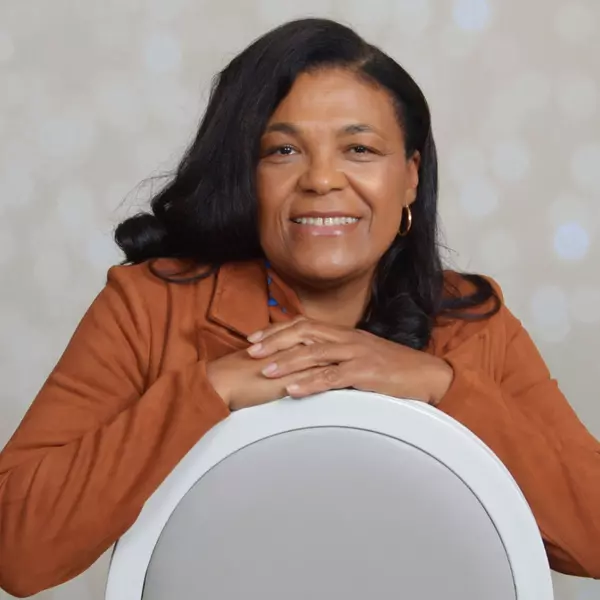
Lynn Carr-Hawkes, REALTOR® | Estate Planning Consultant | Military Veteran
OWN • PROTECT • PRESERVE
Phone: 540-220-2083
Email: legacyfirstopp@gmail.com
Disclaimer: This article is provided for general educational purposes and is not legal, tax, or financial advice. Estate planning laws and requirements vary by state. Consult a licensed estate planning attorney and qualified financial or tax professional regarding your individual circumstances.
Categories
Recent Posts






"My job is to find and attract mastery-based agents to the office, protect the culture, and make sure everyone is happy! "
carrhawkesclients1st@gmail.com
1440 Central Park Blvd Suite 210 Fredericksburg, Virginia 22401, VA 22401
GET MORE INFORMATION